Shishupalavadha – First Canto
Introduction The following 75 verses constitute the entire First Canto (प्रथमः सर्गः) of Mahākavi Māgha’s Śiśupālavadha, detailing the dialogue between
Shishupalavadha – First Canto Read More »
Introduction The following 75 verses constitute the entire First Canto (प्रथमः सर्गः) of Mahākavi Māgha’s Śiśupālavadha, detailing the dialogue between
Shishupalavadha – First Canto Read More »
Explore the rich and fascinating history of Sanskrit literature, from the Vedas to modern authors, in a storytelling format that brings it to life.
History of Sanskrit Literature – An Epic Journey Read More »
In the second canto of Shishupalavadha, Magha masterfully weaves a narrative filled with profound wisdom and vivid imagery. The verses explore themes of loyalty, duty, and the eternal struggle between good and evil. Through the dialogues and actions of the characters, the poet delves into the complexities of human emotions and the consequences of one’s actions. The canto highlights the importance of righteous conduct, the power of wise counsel, and the inevitability of divine justice. Each verse is a testament to Magha’s poetic brilliance, offering readers a glimpse into the rich tapestry of Indian mythology and the timeless lessons it imparts.
Sisupalavadha – Canto#2 Read More »
Verse#25 मूलपाठः (Actual Verse): भीमः- भोः कस्यायं स्वरः। खगशतविरुते विरौति तारं द्रुमगहने दृढसंकटे वनेऽस्मिन्। जनयति च मनोज्वरं स्वरोऽयं बहुसदृशो हि

Verse: आसीत् अशेष-नरपति-शिरः-समभ्यर्चित-शासनः पाकशासन इवापरः, चतुरुदधि-माला-मेखलाया भुवो भर्ता, प्रताप-अनुराग-अवनत-समस्त-सामन्त-चक्रः, कर्ता महाश्चर्याणाम्, आहर्ता क्रतूनाम्, आदर्शः सर्वशास्त्राणाम्, उत्पत्तिः कलानाम्, कुलभवनं गुणानाम्, आश्रयो
कादम्बरीसंग्रहः (Kadambari Sangraha) Read More »

श्लोकः#1 – चम्पूरामायणम्/अयोध्याकाण्डः – CAMPU RAMAYANA- Ayodhya KANDA Sloka: गच्छता दशरथेन निर्वृत्तिं भूभुजामसुलभां भुजाबलात् ।मातुलस्य नगरे युधाजितः स्थिपितौ भरतलक्ष्मणानुजौ ॥१॥
Bhoja’s ChampuRamayanam – Ayodhya kandam Read More »
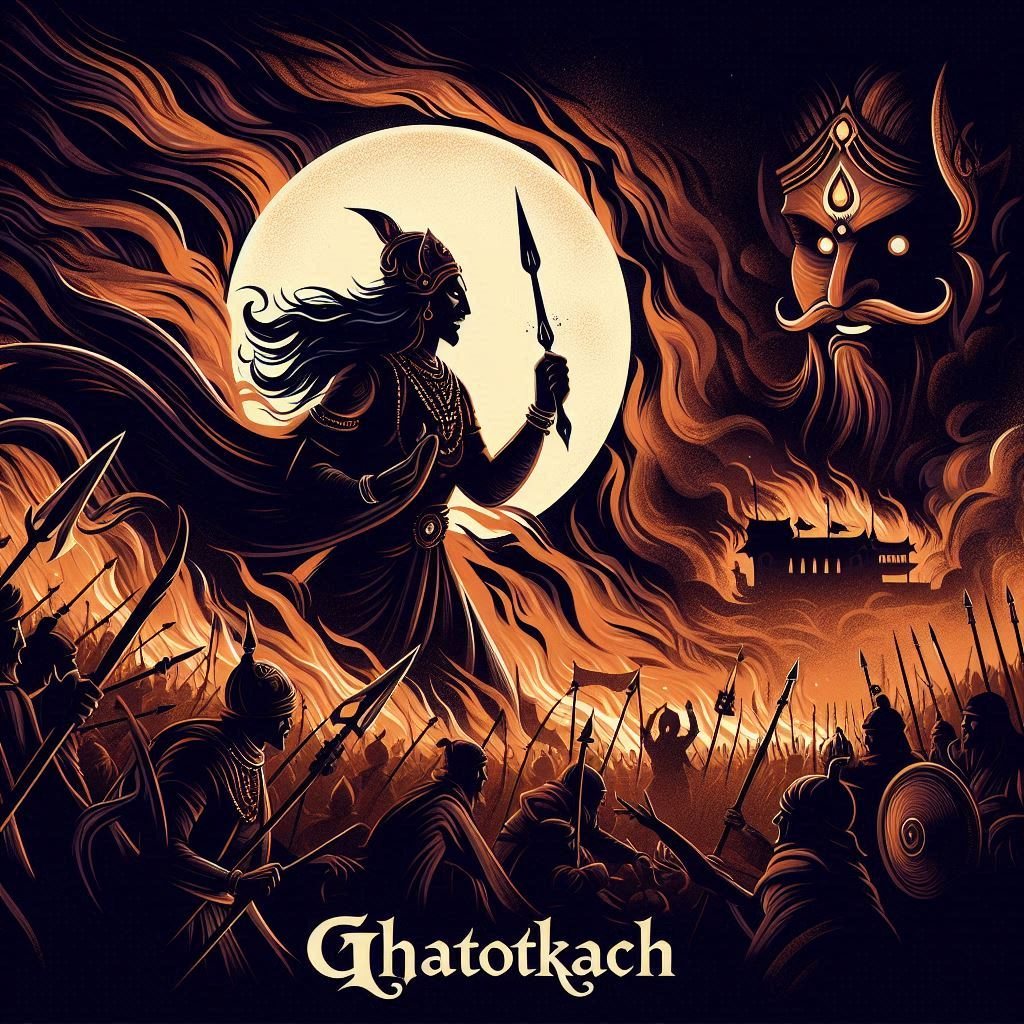
नाटकम् (नान्द्यन्ते ततः प्रविशति सूत्रधारः।) Word-by-Word Meaning: नान्द्यन्ते = At the end of Nandhi. ततः = then प्रविशति = enters
दूतघटोत्कचम् – Bhasa’s DutaGhatotkacham Read More »
The Vedic Period (6000 B.C. – 800 B.C.) The Vedas: The term ‘Veda’ (वेदः) is derived from the verbal
History of Sanskrit Literature Read More »
षड्वेदाङ्गानि (ṣaḍvedāṅgāni) – 6 Vedangas About Veda Angangal that are 6: Introduction The Vedas (वेदाः) are the oldest and most
Origin of Vedic Sanskrit and Western Scholars’ View on the Origin of Vedic Sanskrit Introduction The Vedic Sanskrit (वैदिक संस्कृतम्)
Origin of Vedic Sanskrit and Western Scholars View Read More »